Athavan Beach Resort


An Experience Of A Life Time.
9823130317


Places To Visit
Keshavraj Temple
Keshavraj Temple, located in the village of Asud near Dapoli in the Konkan region of Maharashtra, is a revered and ancient temple dedicated to Lord Vishnu. It is known not only for its religious significance but also for its tranquil and scenic location amidst lush greenery and a natural stream. History and Legends Pandava Connection: According to local folklore, the temple is believed to have been built by the Pandavas from the epic Mahabharata, over 5,000 years ago. Legend has it that they constructed the temple overnight, a testament to their devotion to Lord Vishnu, who appeared before them as Keshavraj. Peshwa Period: Other historical sources suggest the temple's architecture dates back to the Peshwa period, while the overall structure is estimated to be at least a thousand years old. Architecture and Unique Features Konkan Style: The temple's architecture is characteristic of the Konkan region, with a simple yet elegant stone structure that blends seamlessly with the natural surroundings. The Gomukh: A standout feature of the temple is a natural, perennial water spring that flows continuously from a stone-carved fountain in the shape of a cow's mouth ("Gomukh"). This water is considered sacred and is used for rituals. Idols: The main deity is a beautiful four-armed idol of Lord Vishnu, holding a conch (Shankha), a mace (Gada), a disc (Chakra), and a lotus (Padma). Statues of Lord Ganesha, Lord Hanuman, and Garuda (Lord Vishnu's mount) can also be seen at the temple's entrance. Location: Unlike most temples dedicated to Lord Vishnu, which are typically found in populated areas, Keshavraj Temple is situated away from human settlements, nestled in a dense forest, which adds to its serene and mystical atmosphere. The Journey to the Temple Trek: To reach the temple, visitors must undertake a short trek of about 15-20 minutes from the village of Asud. The walk is a major part of the experience, as it takes you through a forested area with coconut and betel nut plantations, a small stream, and a bridge. Steps: The trek involves a mix of paths and steps, with some downhill and uphill sections. The total number of steps is estimated to be around 250, making for a short but rewarding climb. "Garambicha Baapu": The small bridge you cross on the way to the temple gained fame for being mentioned in the well-known Marathi novel "Garambicha Baapu" by S.N. Pendse. Things to See and Do Seek Blessings: The primary purpose of the visit is to worship Lord Vishnu as Keshavraj and seek his blessings. Enjoy Nature: The temple's location is a paradise for nature lovers. The peaceful environment, surrounded by lush greenery and the sound of birds, makes for a perfect spiritual retreat. Explore the Gomukh: The natural spring and the Gomukh are a major attraction. The cool, refreshing water is believed to be sacred and adds to the tranquil experience. Bird Watching: The dense forest around the temple is also an excellent spot for birdwatching. Visit Nearby Temples: While you are in the area, you can also visit the ancient Shri Vyaghreshwar Temple, which is located nearby. Visiting Information Location: Keshavraj Temple is located in Asud village, about 7 km from Dapoli. Accessibility: The temple is accessible by car, but visitors must park and then walk the rest of the way. There is a small parking space available. Best Time to Visit: The temple can be visited throughout the year. The monsoon season is particularly popular for its lush and vibrant greenery. Timings: There is no specific information available about the temple's daily opening and closing hours. However, it is generally accessible for visitors.
About 8 Kms North of our resort
Murud Beach
Murud Beach in Dapoli is a popular and lively beach destination in the Konkan region of Maharashtra, known for its scenic beauty, a wide range of activities, and a peaceful atmosphere despite being a major tourist spot. Key Features and Attractions Scenic Beauty: The beach is famous for its soft, blackish sand and a long coastline lined with coconut and betel nut trees. It offers breathtaking views of the sun, sky, and sea, especially during sunrise and sunset. Water Sports: Murud Beach is a hub for adventure and water sports. Visitors can enjoy activities such as: Parasailing: Get a panoramic view of the beach from high up in the air. Banana Boat Rides: A fun and adventurous activity to enjoy with friends and family. Jet Skiing: A thrilling ride across the waves. Bumper Rides: A fun ride on a doughnut-shaped inflatable boat pulled by a speed boat. ATV Rides: Enjoy the thrill of driving an ATV on the sand. Horse and Camel Rides: A more relaxed way to explore the beach. Dolphin Watching: One of the major highlights of Murud Beach is the opportunity for dolphin sightings. Early morning boat rides are often available for a chance to spot playful dolphins in their natural habitat. Food and Local Cuisine: The beach is a paradise for seafood lovers. There are numerous local shacks and eateries offering delicious Konkani and Malvani-style seafood dishes, fresh coconut, and sweet corn. Accessibility: Vehicles are allowed on the beach itself, which is a unique feature. This makes it convenient for visitors to drive right up to the shore, although it also means you should be cautious of vehicles while walking, especially with children. Nearby Attractions: Murud Beach is a great base for exploring other nearby places of interest. Some of the well-known attractions are: Murud Janjira Fort: A historic sea fort located in the nearby town of Murud. Suvarnadurg Fort: A sea fort near Harnai Port. Ladghar Beach: Known as the "red pebbled beach" and famous for its fiery orange sunsets. Karde Beach: Another serene and less-crowded beach option nearby. Getting There From Dapoli: Murud Beach is located about 12 km from the center of Dapoli town. You can easily hire a local bus, taxi, or auto-rickshaw to get there. The drive takes about 30 minutes. From Mumbai/Pune: You can take a state-run or private bus to Dapoli, which takes about 5-6 hours. Alternatively, you can take a train to Khed, the nearest railway station, which is about 40 km from Dapoli. From Khed, you can hire a taxi or take a bus to Dapoli and then to Murud. Best Time to Visit The best time to visit Murud Beach is from October to March, when the weather is pleasant and comfortable for beach activities. While the monsoon season (June to September) transforms the area into a lush green paradise, water sports are generally closed during this time due to rough sea conditions.
About 4 Kms from our resort.
Chandika Mandir
Chandika Mandir, located near Dabhol in the Dapoli taluka of Maharashtra, is a unique and ancient temple with a mystical aura. It is not just a place of worship but also a fascinating natural and historical site. The temple is dedicated to Goddess Chandika, an incarnation of Goddess Durga. Key Features and Uniqueness Swayambhu Idol: The most remarkable feature of the temple is the idol of Goddess Chandika, which is believed to be "Swayambhu" (self-manifested). The idol is carved out of a single piece of stone and is located inside a natural cave. Natural Cave Setting: The temple is situated in a naturally formed cave of jet-black stone, adding to its mystique. To reach the main deity, devotees must pass through a narrow, low, and darkened passage. No Electricity: In a rare and striking tradition, there is no electricity inside the cave. The only source of light is the soft, golden glow of oil lamps and lanterns, which creates a serene and divine atmosphere. The sight of the goddess's idol illuminated by this light is a truly breathtaking experience. Pandava Connection: According to local legend, the temple dates back to the era of the Pandavas from the Mahabharata. It is believed they created this temple using their divine powers during their exile. Historical Significance: The temple is also said to have been frequently visited by the Maratha king, Chhatrapati Shivaji Maharaj, who sought the goddess's blessings after his victories in the region. Family Tradition: The temple's rituals and maintenance have been managed by the Puri family, belonging to the Gosavi sect, for over 32 generations. They do not accept donations, ensuring the temple's upkeep is a matter of devotion and tradition. Vegetarian Offerings: The temple maintains a strict tradition of only accepting vegetarian offerings, and no animal sacrifices are performed. Perennial Water Spring: A live spring of fresh water flows near the temple, providing water throughout the year. Location and Accessibility Location: The Chandika Devi Mandir is located on a plateau about 1 km from the Dapoli-Dabhol highway and 3-4 km from Dabhol Harbor. It is situated in a dense forest, surrounded by rocks and trees. How to Reach: By Road: The temple is about 28-30 km from Dapoli city. You can reach the temple by car or by hiring a local taxi or auto-rickshaw. The last stretch to the temple requires a short walk through a path surrounded by nature. By Sea: You can also take a ferry from Dabhol, which is a popular mode of transport for those coming from the Guhagar side. Visiting Information The temple is open to visitors throughout the year. The number of visitors increases significantly during the Navaratri festival. The serene and natural environment makes it an ideal place for those seeking a peaceful and spiritual retreat away from the hustle and bustle of city life. While visiting, it is important to respect the traditions, such as not using flashlights or artificial lights inside the cave.
About 26 Km north of our resort.
Panhalekaji Caves
The caves you are likely asking about are the Panhalekaji Caves. These are a series of rock-cut caves and sculptures located near Dabhol, on the banks of the Kotjai River. Archaeological Significance: These caves are not directly linked to the Pandavas in historical records, but they are an important archaeological site. They are believed to be ancient Buddhist and Hindu caves dating back to the 2nd and 3rd centuries AD during the Satavahana period. A Blend of Religions: The Panhalekaji complex is unique because it contains rock carvings and sculptures from different religious traditions, including: Buddhist Caves: The oldest caves in the complex are Buddhist, with a Chaitya (prayer hall) and Viharas (monasteries). Hindu and Nath Sect Caves: Later carvings and sculptures belong to Hindu traditions, particularly the Nath Sampradaya (sect). This reflects the shift in religious influence over centuries. Location: The caves are situated in a serene, forested area on the banks of the Kotjai River, which flows into the Vashishthi River. The location is peaceful and adds to the historical charm. The "Pandava" Connection: As with many ancient sites in India that have an unknown origin, local folklore often attributes their creation to the Pandavas from the Mahabharata. This is a common phenomenon and is more of a cultural attribution than a historical fact. The Chandika Devi Temple, also near Dabhol, is another example of a site with a similar "Pandava" legend. In summary, while there aren't specific caves called "Pandav Lenya" directly at Dabhol, the Panhalekaji Caves are the correct historical and archaeological site with ancient rock carvings and a local folklore connection to the Pandavas. They are a must-visit for anyone interested in the history and art of the Konkan region.
About 18 kms North of our resort
Kadavarcha Ganapati
Kadavarcha Ganapati, located in the village of Anjarle in the Dapoli taluka, is one of the most revered and iconic temples in the Konkan region. The name itself, "Kadavarcha Ganapati," translates to "Ganapati on the cliff," a fitting description for its picturesque location atop a hillock overlooking the Arabian Sea and the Anjarle beach. Historical Significance and Architecture Ancient Origins: The temple's history is steeped in local legend. The original temple, believed to have been built of wood around the 12th century, was relocated to its current cliffside location in the late 18th century (around 1768 to 1780) to protect it from sea erosion. Peshwa Influence: The temple's current stone structure showcases classic Peshwa architecture, with intricate carvings and a distinct regional style. The temple complex includes a main hall, an assembly hall, and an open courtyard. The 'Ujvya Sondecha Ganapati': A key feature of the temple is the idol of Lord Ganesha, whose trunk is curled to the right. This form of Ganesha, known as "Ujvya Sondecha Ganapati," is considered to be particularly powerful and is believed to bless devotees with wishes fulfilled. The black stone idol is flanked by smaller idols of his consorts, Riddhi and Siddhi. Symbolic Carvings: The main "Kalas" (spire) of the temple is adorned with carvings of the Ashtavinayakas, the eight revered forms of Ganesha. Unique Features: The temple's surroundings are as captivating as the temple itself. There is a serene pond in front of the temple where visitors can feed fish and turtles. A stone staircase leads to the top of the temple's roof, providing a panoramic view of the Anjarle beach, the lush greenery, and the historic Suvarnadurg Fort in the distance. The Journey to the Temple Road Access: The temple is now easily accessible by a road that takes you up the hill. This makes it convenient for visitors, especially for those who may not be able to climb the stairs. The 200 Steps: For those who prefer a more traditional and scenic approach, there is a flight of about 200 steps leading up to the temple from the Anjarle village side. This path offers beautiful views of the coastal landscape. Festivals and Atmosphere Maghi Ganesh Utsav: The most significant festival celebrated at the temple is Maghi Ganesh Jayanti, which marks the birth of Lord Ganesha. This festival is celebrated with immense fervor and devotion, attracting thousands of pilgrims. Ganesh Chaturthi: Ganesh Chaturthi is another major festival celebrated here, where the temple becomes the epicenter of all celebrations. A Peaceful Retreat: The location of the temple, away from the hustle and bustle of city life, offers a tranquil and spiritual experience. The sound of the waves, the gentle sea breeze, and the majestic views create an atmosphere of peace and serenity. Visiting Information Location: Kadavarcha Ganapati Temple is situated in Anjarle village, approximately 20 km from Dapoli. Timings: The temple is generally open from 6:00 AM to 7:00 PM. Nearby Attractions: A visit to the temple can be combined with other nearby attractions like Anjarle beach, Harnai Port, and the Suvarnadurg Fort.
About 8 Kms South of our resort.
Anzarlay Beach
Anjarle Beach, located in the Dapoli taluka of the Ratnagiri district, is a stunning and serene destination that embodies the pristine beauty of the Konkan coastline. It is a more tranquil and less commercialized alternative to some of the more famous beaches in the region. Key Features and Atmosphere Pristine White Sand: Anjarle Beach is known for its clean, white sand that stretches for approximately 2 kilometers. The sand provides a beautiful contrast to the clear blue waters of the Arabian Sea. Secluded and Peaceful: Unlike more crowded beaches, Anjarle offers a peaceful and secluded ambiance, making it a perfect spot for those seeking relaxation and a quiet escape from city life. Lush Greenery: The beach is fringed with a dense cover of coconut and betel nut plantations, creating a picturesque and shady environment. The surrounding hills and greenery add to its natural charm. The "Kadavarcha Ganapati": Anjarle Beach is inextricably linked to the famous Kadavarcha Ganapati Temple (Ganapati on the cliff). The temple is located on a hillock overlooking the beach and is a major religious and scenic attraction. Visitors often combine a trip to the temple with a visit to the beach. Activities and Things to Do Relaxation and Nature Walks: The primary activity at Anjarle is to simply unwind. You can take a leisurely stroll along the shore, enjoy the soft sea breeze, and soak in the beautiful coastal views. Dolphin Watching: The waters off Anjarle are known for dolphin sightings, particularly during the early morning hours. Boat rides are often available from the nearby Harnai port for a chance to spot these playful creatures. Photography: The scenic beauty of Anjarle, with its pristine sands, coconut trees, and breathtaking sunsets, makes it a paradise for photographers. Turtle Festival: Anjarle is an important nesting site for the endangered Olive Ridley sea turtles. During the nesting season (typically from February to May), the local community, in collaboration with conservationists, organizes the "Turtle Festival." Visitors can witness the magical moment when baby turtles hatch and make their way to the sea. Water Sports: While not as commercialized as beaches like Murud, Anjarle offers some water sports, including jet skiing, banana boat rides, and parasailing. However, these activities might not always be as readily available as in Murud. Local Cuisine and Culture Fresh Seafood: The region is a hub for the fishing community. You can enjoy authentic Konkani and Malvani cuisine at local eateries and homestays. The seafood is incredibly fresh and a must-try. Local Hospitality: Anjarle is a small fishing village with a humble and welcoming community. Many locals offer homestays and serve delicious, homemade Konkani food, providing an authentic cultural experience. Location and Accessibility Distance from Dapoli: Anjarle Beach is located about 20 km from Dapoli town. How to Reach: You can easily reach Anjarle by road from Dapoli via a taxi, auto-rickshaw, or a local bus. The nearest major railway station is Khed. Overall, Anjarle Beach is a perfect destination for those who appreciate natural beauty, tranquility, and a touch of spirituality. It offers a more authentic and peaceful Konkan experience compared to its more bustling counterparts.
About 9 Kms South of our resort.
SuvarnaDurg Fort
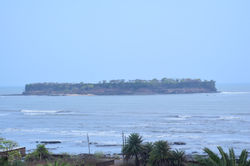
Suvarnadurga Fort, also known as the "Golden Fort," is a historic sea fort located on a small island in the Arabian Sea, near the town of Dapoli in the Konkan region of Maharashtra, India. It's a significant landmark with a rich history, known for its strategic importance and impressive architecture. Key Features and Description Location and Accessibility: The fort is situated on a rocky island about 1.6 km (1 mile) from the mainland. It is located off the coast of Harnai port, which is 17 km from Dapoli. The only way to reach the fort is by boat from Harnai. Local fishermen often offer boat services for tourists. It's best to visit during low tide when it's easier to walk around the fort's precincts. Architecture and Layout: Suvarnadurga Fort covers an area of about 8 acres. The walls, in many places, are carved directly from the island's rock formations. Some sections are built with large stone blocks. The fort is encircled by a dry moat and has two main entrances: Mahadarwaja (Main Gate): Located on the east side, facing the land. This gate is well-protected and hidden between two large bastions. Carvings of a tortoise on a step and a Hanuman on the wall can be seen at the entry. Chor Darwaja (Secret Gate): Located on the west side, facing the sea. This gate features carvings of a tiger, eagle, and elephants. History: The fort has a long and storied history. It was originally built by the Adilshahi navy for defense and a shipbuilding facility. In 1660, Chhatrapati Shivaji Maharaj captured the fort from the Adil Shah dynasty and further strengthened its defenses. It later came under the control of Kanhoji Angre, a celebrated admiral of the Maratha Navy, who made it a stronghold. The fort was eventually taken by the British in 1818. Significance: The fort's name, Suvarnadurga, meaning "Golden Fort," reflects its importance as the "pride or the feather in the golden cap of Marathas." It was a crucial naval base for the Maratha Empire, used to counter attacks from European colonial powers and local chieftains. Current State: Today, the fort is a protected monument. While much of the inner construction is in ruins, the formidable outer walls and bastions are largely intact, providing a glimpse into its past glory. You can see remnants of old buildings and water sources, including a stepwell. Nearby Attractions Kanakadurga Fort: A land fort on the coast, near Harnai Port, that served as a lookout post for Suvarnadurga. A lighthouse is located here. Harnai Beach: Known for its fishing harbor and serene atmosphere. It's the point of departure for boat rides to Suvarnadurga. Dolphin Safari: Boat tours are available from Harnai to spot dolphins in the Arabian Sea. How to Reach Suvarnadurga Fort is a unique and historically significant site, offering a blend of history and natural beauty. The journey by boat to the fort adds to the adventure and provides spectacular views of the coastline.
Just 800 mtrs straight from our resort.
Kelshi Beach
Kelshi Beach, located in the Ratnagiri district of Maharashtra, is a serene and relatively untouched stretch of the Konkan coastline. Unlike some of the more commercialized beaches, Kelshi offers a tranquil and peaceful escape for travelers seeking natural beauty and a break from the crowds. Key Features and Description Pristine and Secluded: Kelshi Beach is known for its untouched beauty, with a long stretch of golden-white sand, clear turquoise waters, and a quiet, peaceful atmosphere. It is a less-crowded destination, making it perfect for those who want to relax and enjoy the sound of the ocean without the hustle and bustle. Natural Surroundings: The beach is surrounded by lush greenery, including groves of coconut, Cyprus, and betel nut trees, which add to its picturesque charm. This natural setting also makes it a great spot for birdwatching, especially during the winter months when migratory birds can be spotted. Unique Geology: The beach features a hill called Utambar, where large black rocks meet the sea. Another unique feature is a natural sand dune believed to have been formed by a tsunami in 1524 CE. The beach is also a great place for shell collectors, with a trove of cowries, conches, and various shells populating the shoreline. Spectacular Sunsets: Kelshi Beach is famous for its breathtaking sunsets. As the sun dips below the horizon, the sky is painted with vibrant hues of orange, pink, and purple, creating a magical and memorable spectacle. Things to Do Relaxation and Walks: The primary activity at Kelshi Beach is simply to unwind. You can take a leisurely stroll along the shore, sunbathe, or just sit under the shade of a palm tree and enjoy the tranquility. Explore the Village: The nearby Kelshi village offers a glimpse into local life and culture. It is a historically significant area, having once been part of the Peshwa dynasty. Visit Nearby Temples and Dargah: Kelshi is a place of religious significance, with important sites that showcase Hindu-Muslim unity. You can visit the ancient Mahalakshmi Temple at the base of Utambar hill, known for its Peshwa-era architecture. There is also the Yaqub Sarvani Dargah, a revered Sufi shrine that is said to be a historical monument linked to Chhatrapati Shivaji Maharaj.
About 19 Kms South of our resort.
 |  |  |  |
|---|---|---|---|
 |  |  |  |